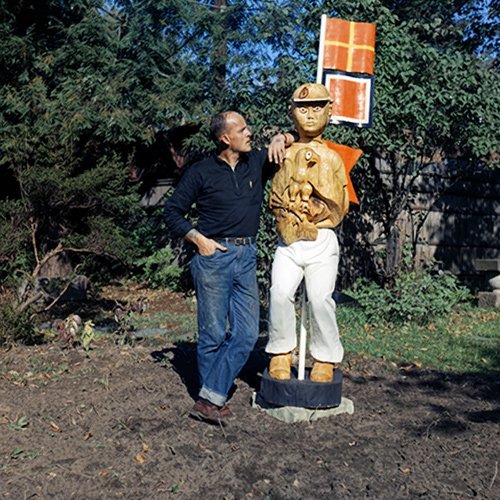
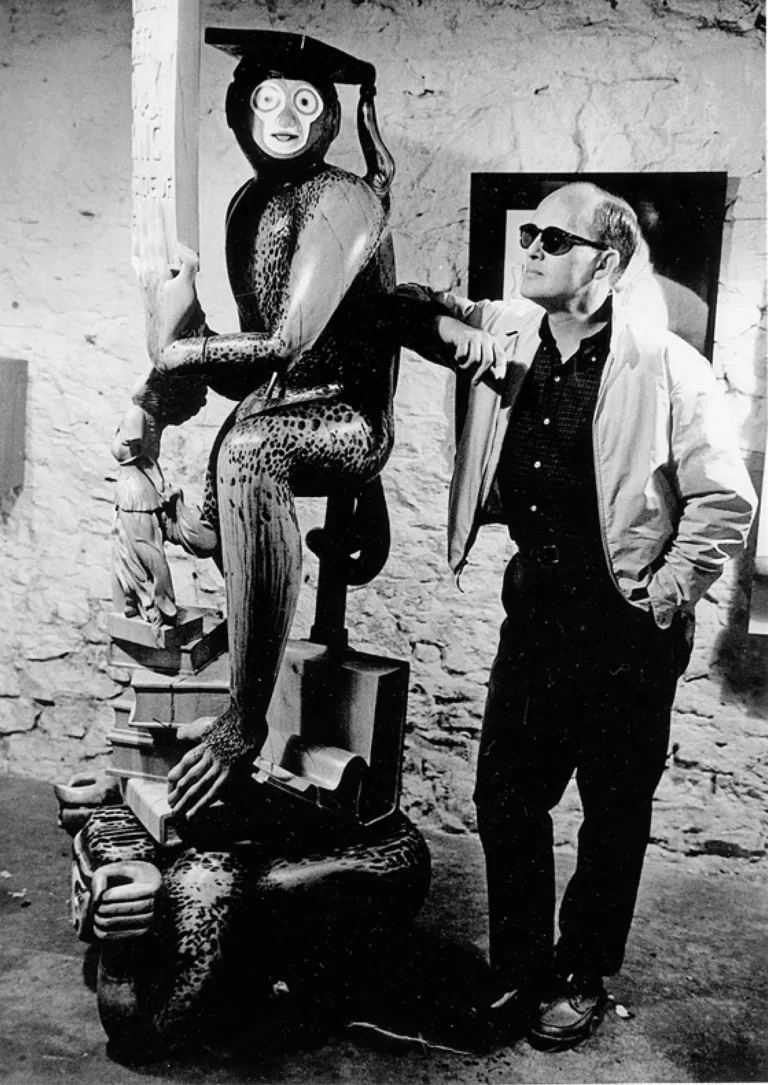
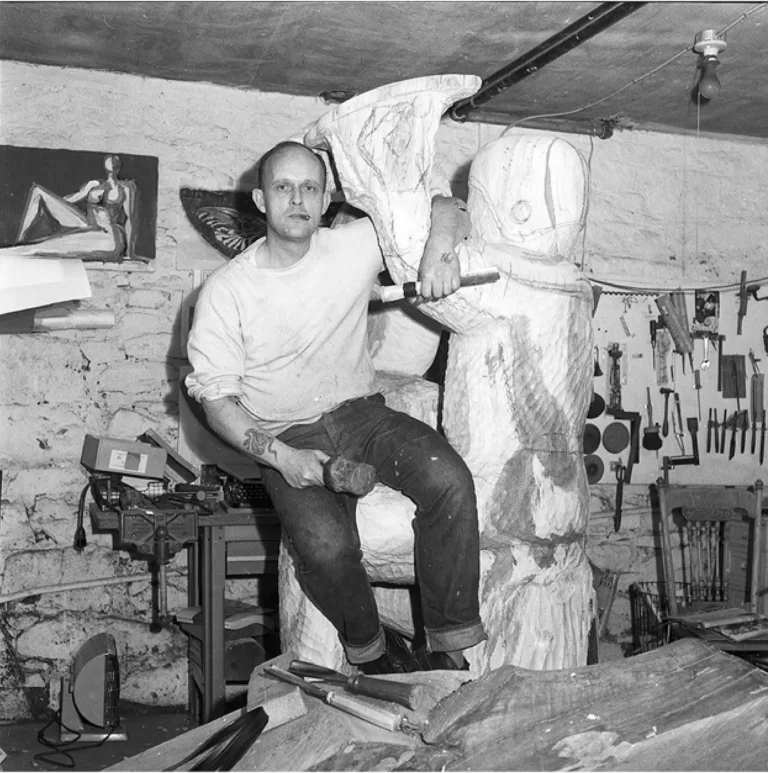
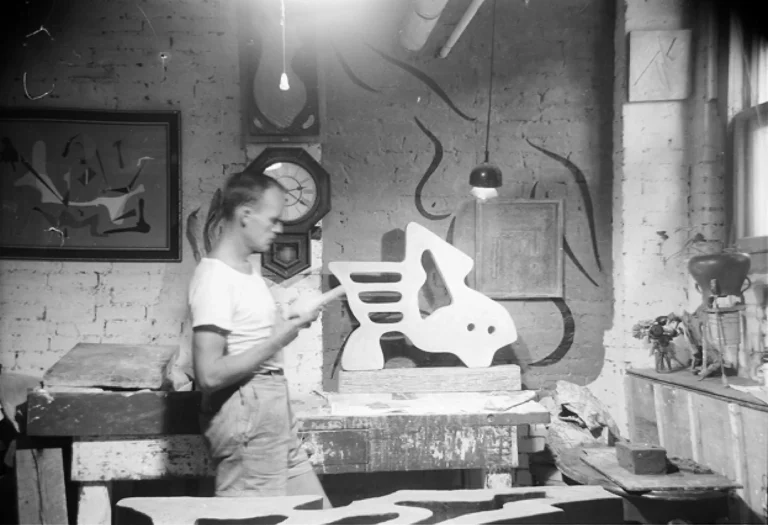
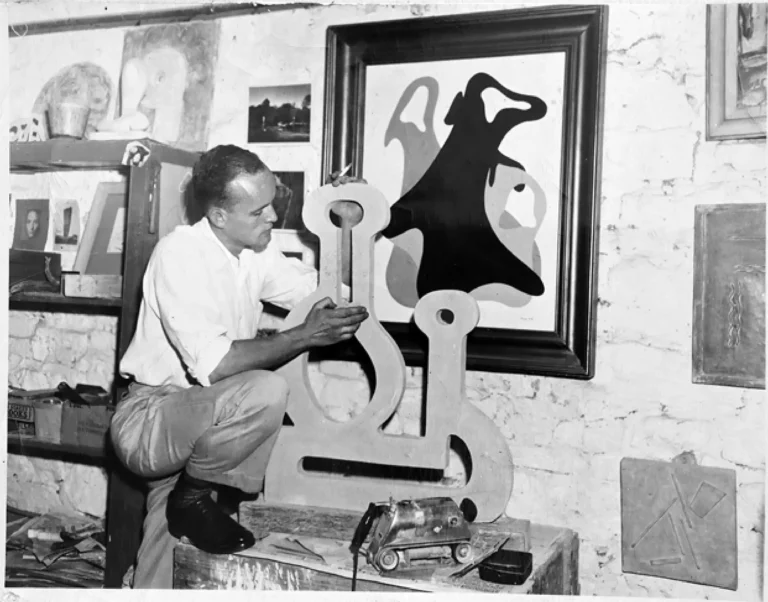
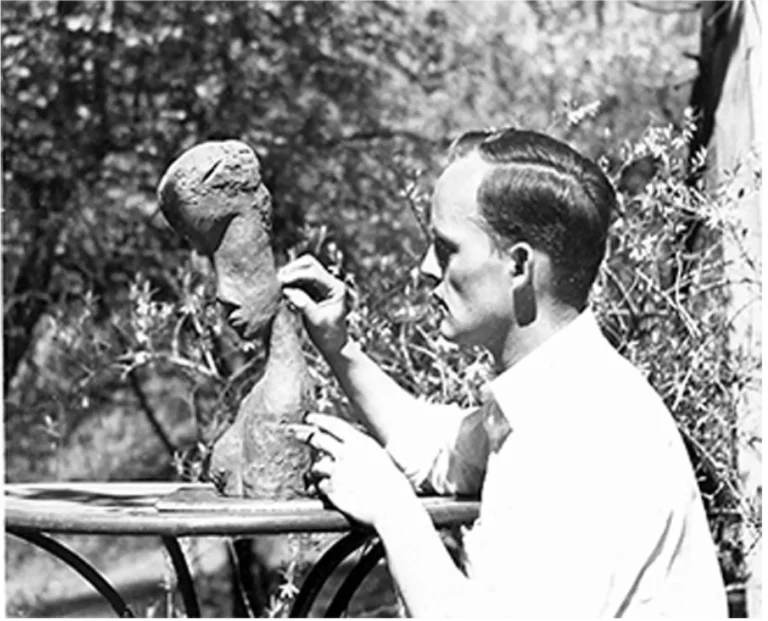
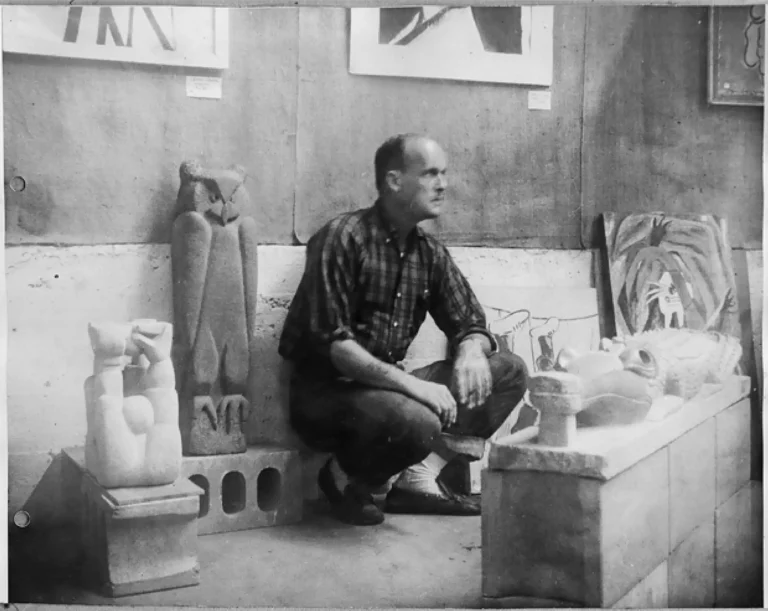
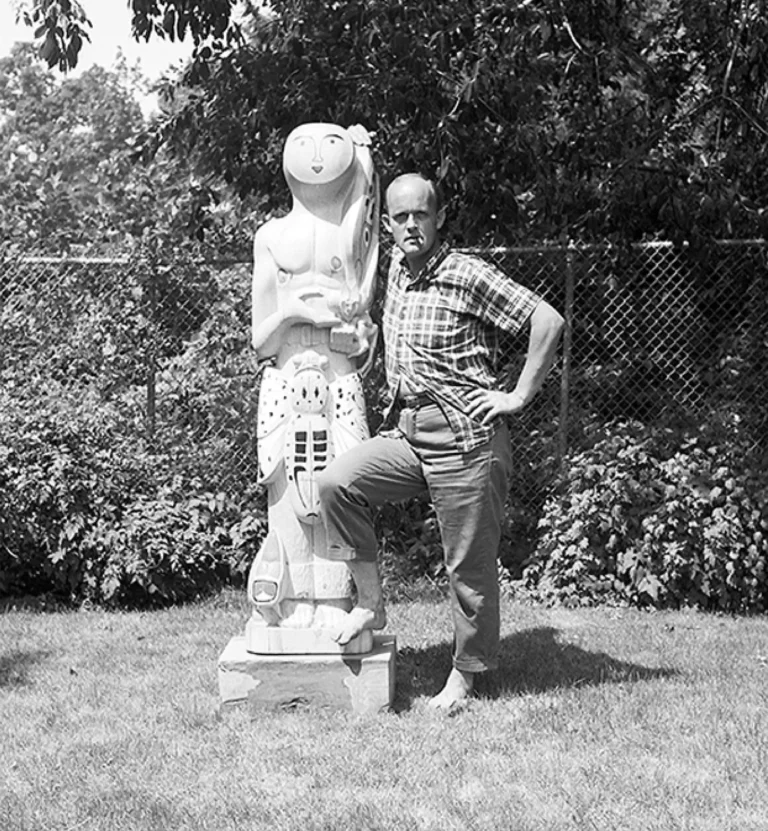
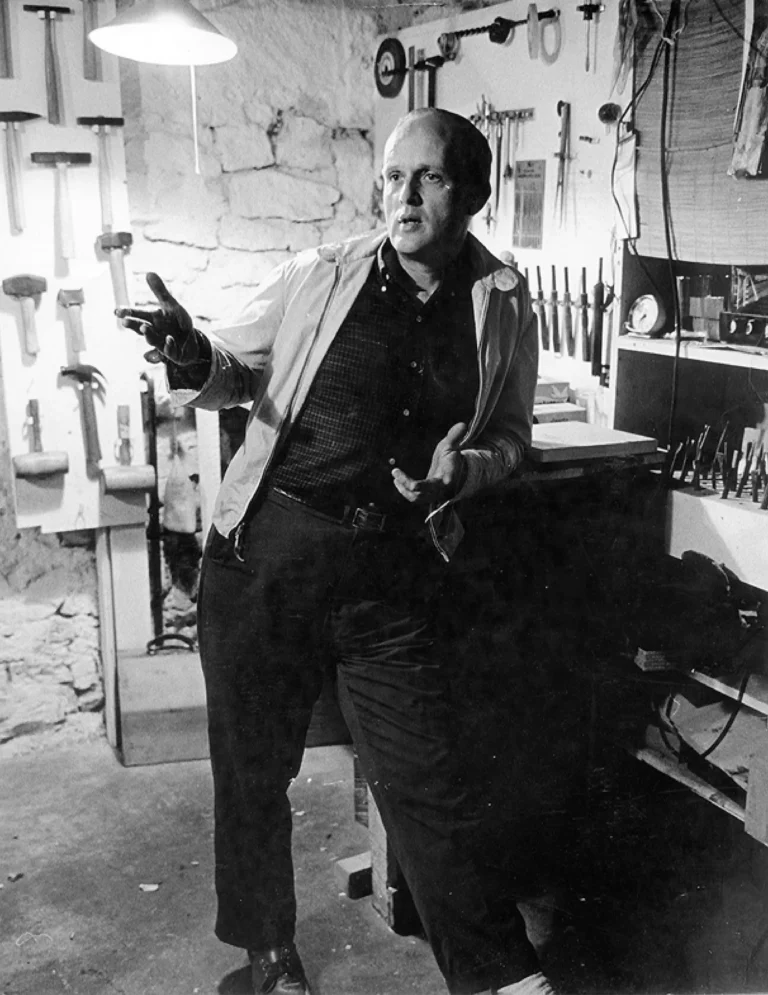
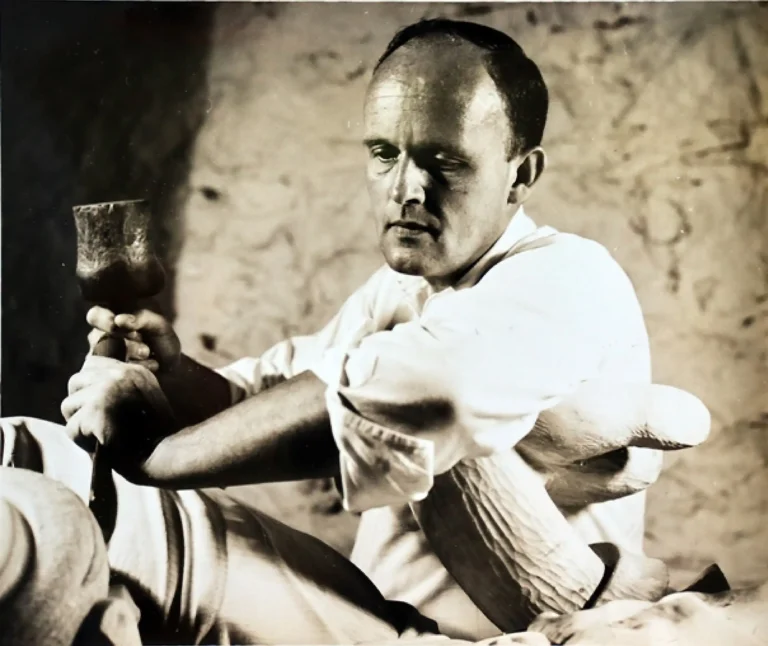
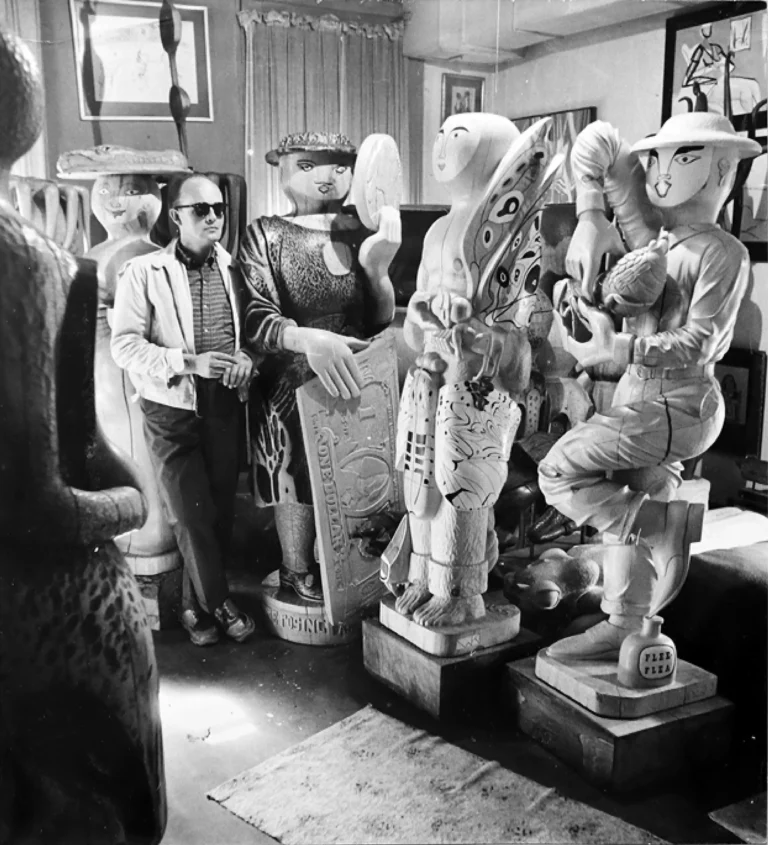
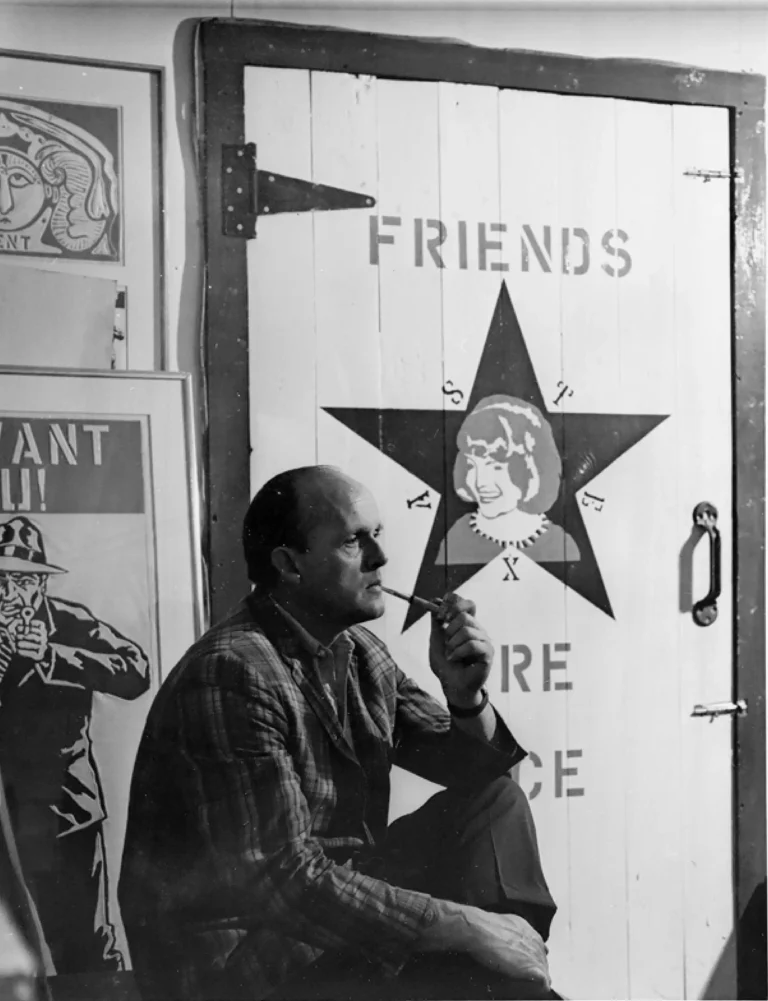
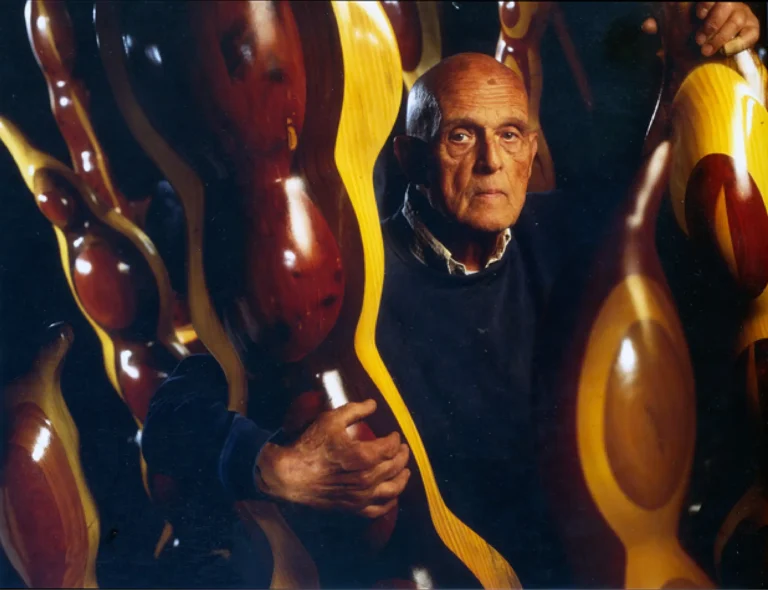
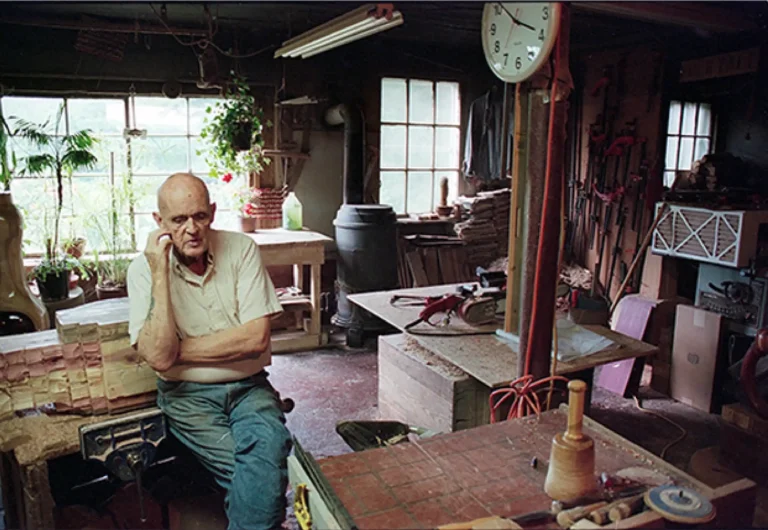
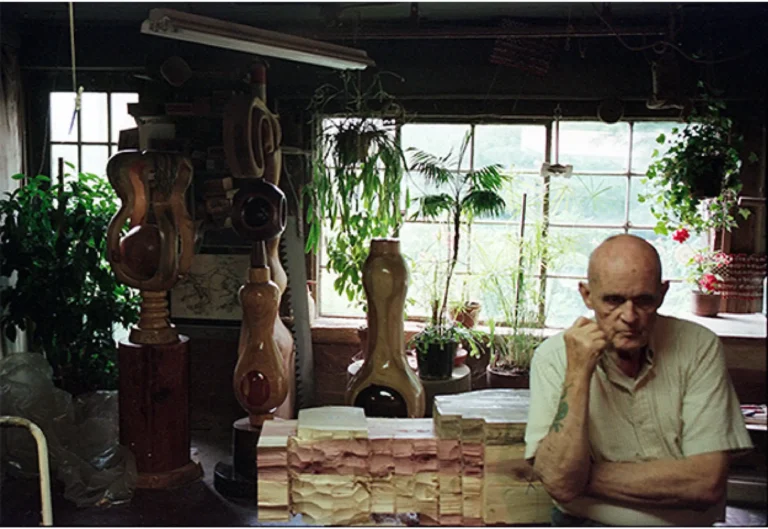
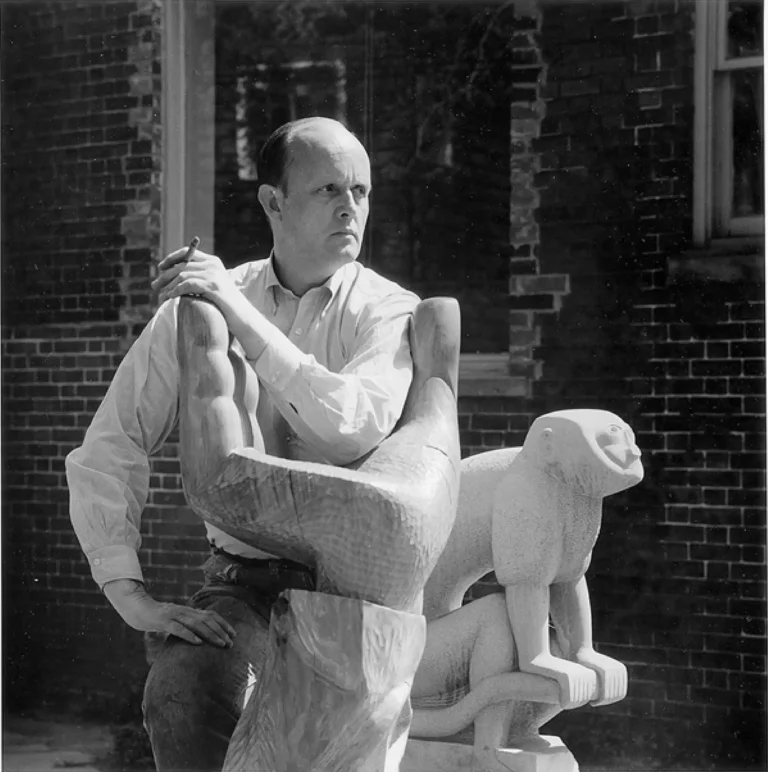
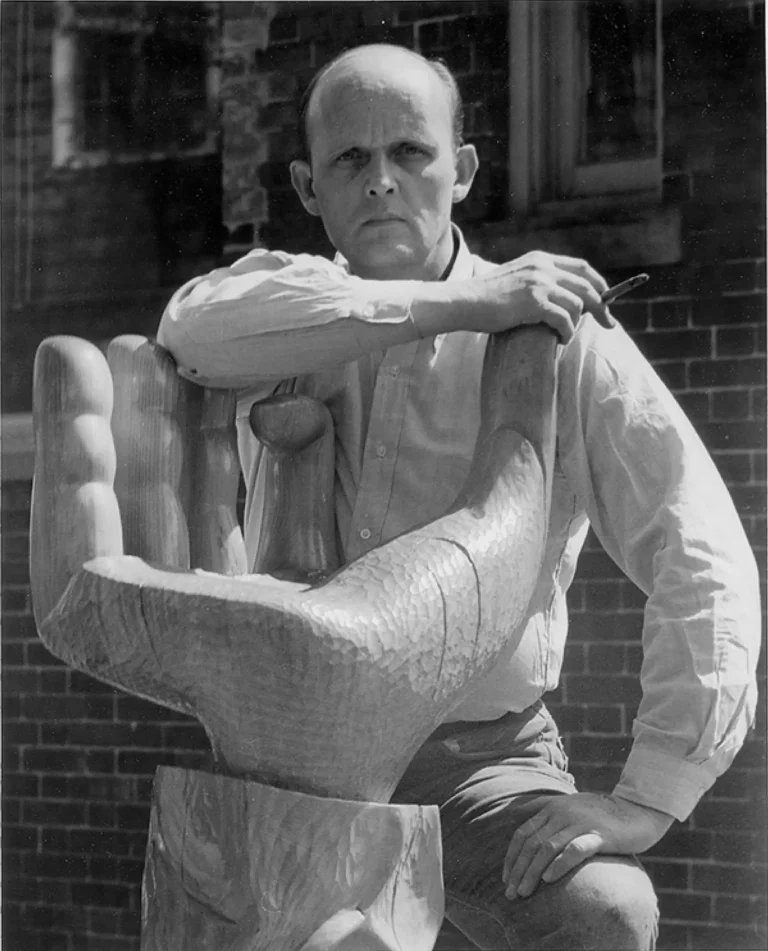
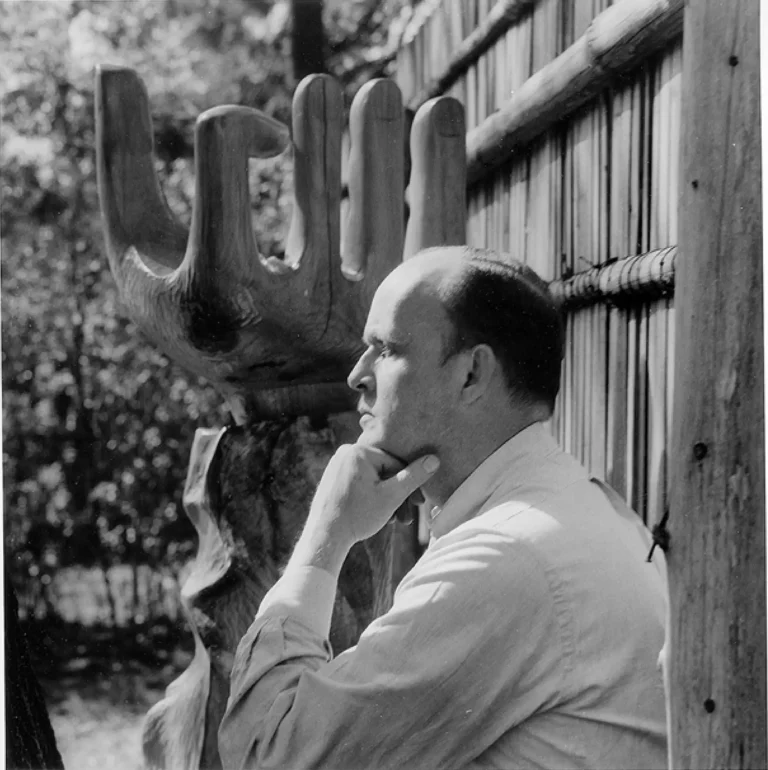
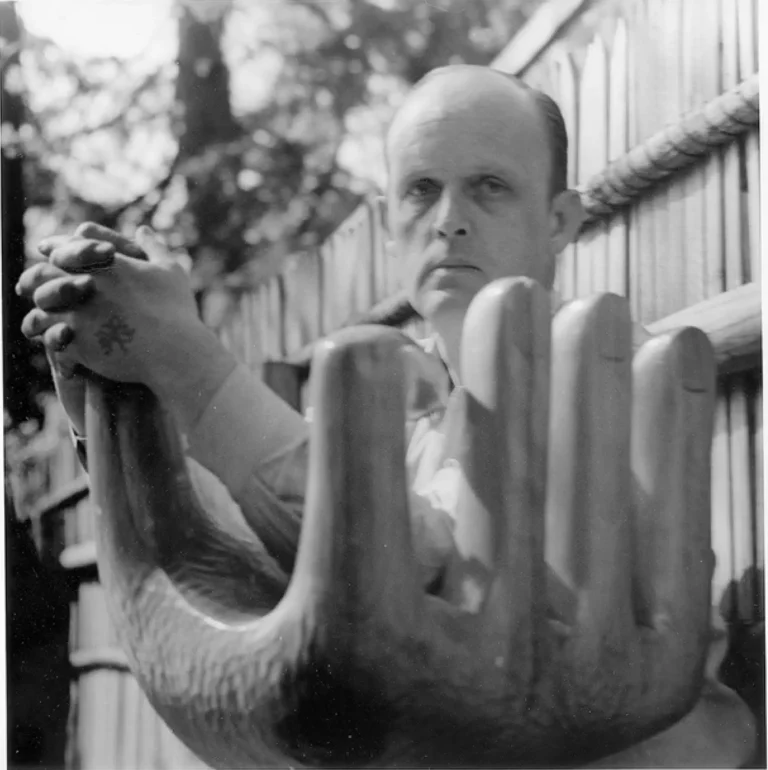
illiam Kent (1919–2012) was a fiercely independent, self-taught American artist whose career defied convention and authority. Best known for his monumental wood and stone sculptures and his groundbreaking slate monoprints, Kent carved out a singular place in postwar American art.
Born in Kansas City, Missouri, Kent’s early path began in music before shifting to painting and sculpture in the late 1940s. Restless and inventive, he rejected academic traditions and instead forged his own approach to form, scale, and meaning. By 1963, he had pioneered an original printmaking technique: carving into slate to pull bold, one-of-a-kind impressions without the use of a press. This innovation established him as one of the most radical and unorthodox printmakers of his time.
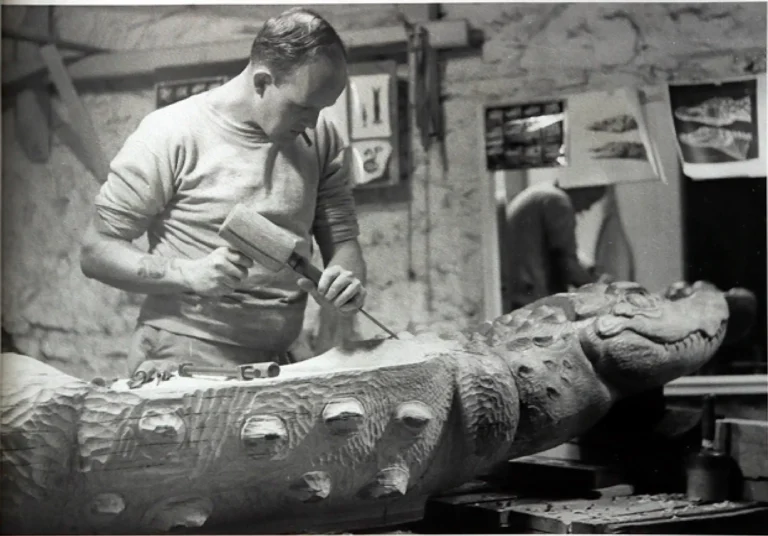
Kent’s work was marked by a sharp combination of technical mastery and biting social commentary. His prints and sculptures often addressed politics, culture, and human folly with both wit and gravity, earning him critical recognition but also controversy. Settling in Durham, Connecticut, Kent lived a life of simplicity and relentless productivity, creating more than 800 sculptures and 2,000 monoprints over the course of his career. In his later years, he devoted himself primarily to large-scale wood sculpture, producing commanding works of raw presence and enduring power.
Unapologetically personal and uncompromisingly original, Kent’s art stands as a testament to individuality, dissent, and the courage to challenge accepted truths. He passed away at the age of 93, leaving behind an extraordinary body of work and a legacy carried forward by the William Kent Art Foundation.
Kent’s innovative methods and independent career have been documented in critical reviews, books, and media features that underline his lasting contribution to American art.